Emergency Dentist Plano, TX: When a Toothache Becomes Serious


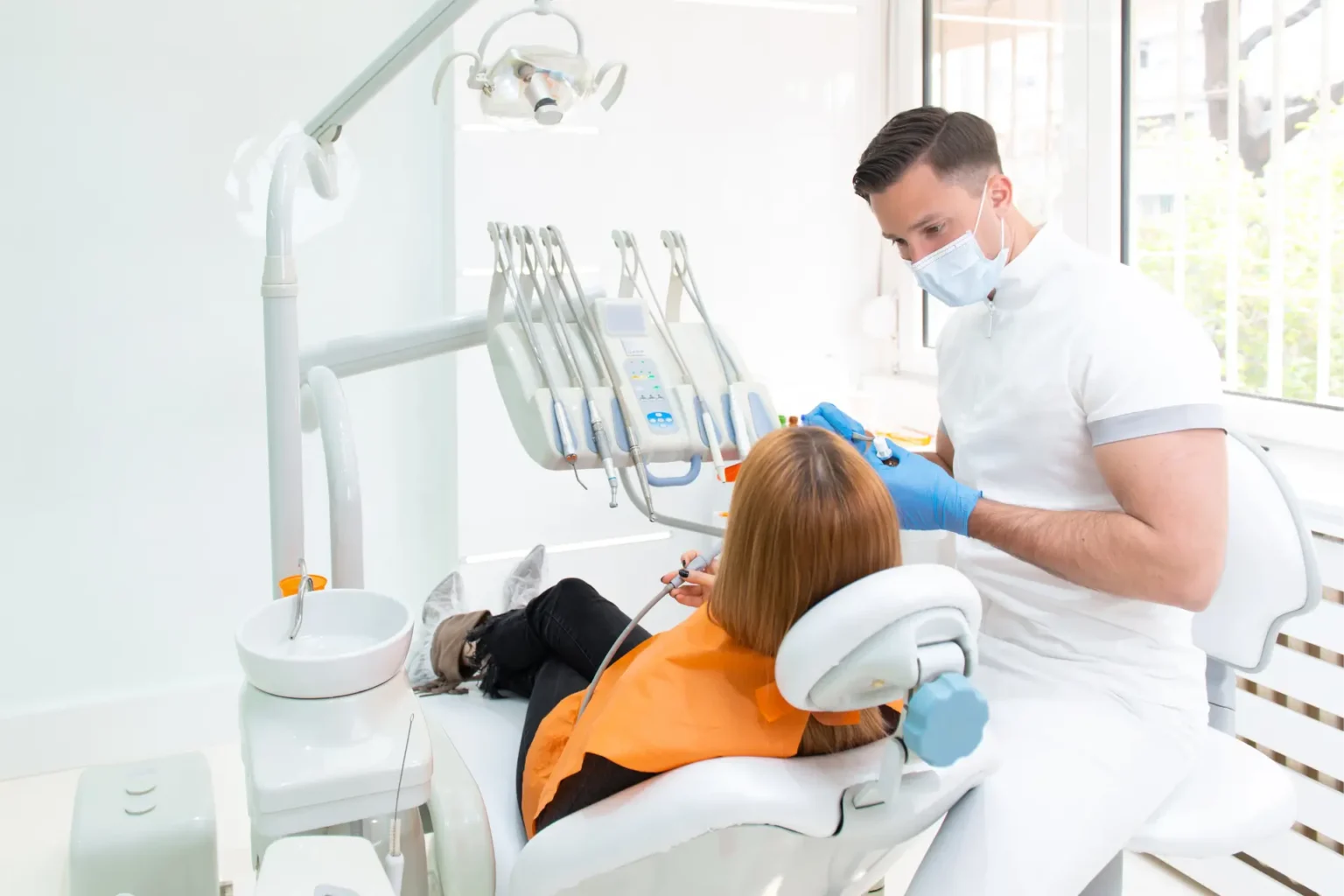
A toothache has a way of changing the entire day. People who can work through a headache or push past a sore back often find that dental pain stops them cold. It can throb, stab, wake you at 2 a.m., and make even room-temperature water feel unbearable. In practice, the hardest part for many patients is not the pain itself. It is the uncertainty. They do not know whether they can wait until next week, whether the problem will resolve on its own, or whether they need to find an emergency dentist Plano, TX right away.
That uncertainty matters because not every toothache is an emergency, but some absolutely are. A minor sensitivity after biting into ice is one thing. A deep, pulsing ache with swelling in the jaw is something else entirely. The difference often comes down to what is causing the pain beneath the surface. Teeth do not usually hurt for no reason. Pain is a signal, and in dentistry it often points to infection, nerve inflammation, a crack, gum disease, or trauma that will worsen if ignored.
People are sometimes surprised to learn how quickly a routine problem can become urgent. A small cavity may cause no symptoms for months. Then bacteria reach the inner pulp of the tooth, pressure builds, and the pain goes from manageable to intense in a day or two. A cracked filling that felt merely annoying on Friday can leave someone unable to chew by Sunday. Timing matters, and so does recognizing the signs that tell you a toothache has crossed the line from inconvenient to serious.
Why some toothaches can wait, and others should not
The mouth is not especially forgiving when infection is involved. Teeth are hard on the outside, but the inner tissues are delicate and richly supplied with nerves and blood vessels. Once decay or trauma reaches that inner chamber, the body reacts with inflammation. Because the pulp is trapped inside rigid tooth structure, swelling creates pressure, and pressure creates pain.
At first, that pain may show up only when eating sweets or drinking something cold. Patients often describe it as a quick zing that disappears within seconds. That kind of symptom does not always mean an emergency, though it still deserves prompt attention. Persistent pain is different. If a tooth aches on its own, especially at night or without a trigger, the nerve may be significantly inflamed or dying. At that stage, home remedies may dull symptoms for a few hours, but they do not fix the cause.
The other major concern is infection spreading beyond the tooth. A localized abscess may begin as soreness around one tooth and progress to swollen gums, facial fullness, tenderness under the jaw, fever, or a bad taste from draining pus. Those are not symptoms to monitor casually. Dental infections can move into surrounding tissues, and while severe complications are not the norm, they are serious enough that no responsible clinician dismisses them.
There is also the issue of saving the tooth. A tooth treated early may need a simple filling. The same tooth, left alone while the pain worsens, may require root canal treatment, a crown, or extraction. That difference affects cost, recovery time, and long-term oral health. When people delay because they hope the pain will settle down, they often end up needing more complex care than they would have with a timely visit.
The moments when dental pain becomes urgent
Patients often ask for a clear line in the sand. There is no single rule that fits every case, but there are patterns that experienced dentists watch for closely. If any of the following are happening, it is wise to seek emergency evaluation rather than wait and see:
- Severe tooth pain that lasts more than a few hours or keeps returning in waves
- Swelling in the gums, face, or jaw, especially if it is getting worse
- Fever, a foul taste in the mouth, or pus near the tooth
- A broken, cracked, or knocked-out tooth after trauma
- Pain that makes it difficult to sleep, eat, or open the mouth normally
Those symptoms suggest a problem that may not stay stable on its own. Swelling deserves special respect. A toothache without swelling can still be serious, but swelling means inflammation has extended beyond the tooth itself. When someone tells a dentist, “It was just pain yesterday, and now my cheek looks different,” the urgency level changes.
One detail many people overlook is pain with pressure. If biting down suddenly hurts, then releasing the bite hurts even more, a cracked tooth or infection at the root tip becomes more likely. Similarly, if hot liquids trigger pain that lingers for a minute or longer, that points toward significant pulp involvement. Brief cold sensitivity is annoying. Lingering thermal pain is often the body asking for intervention.
What commonly causes serious toothaches
Cavities get most of the attention, and for good reason, but they are not the only culprit. Deep decay is a leading cause of dental emergencies because bacteria can travel through softened enamel and dentin into the nerve space. Once that happens, the tooth often becomes hypersensitive or spontaneously painful. Left untreated, the nerve may die, and the infection can move into the bone around the root.
Cracks are another common source of urgent pain. Some are obvious, such as a tooth broken while chewing hard candy or after a sports injury. Others are subtle and difficult to spot without a careful exam. A patient may swear the tooth looks normal, yet every bite sends a sharp jolt through one side of the mouth. Tiny fractures can open and close under pressure, irritating the pulp and making diagnosis tricky. That is one reason emergency visits often include both a clinical exam and dental X-rays. What hurts is not always what is visible.
Old dental work can also fail without warning. Fillings wear down, crowns loosen, and recurrent decay can form beneath restorations that seemed fine from the outside. A crown that falls off is not always painful, but if the exposed tooth underneath is damaged or decayed, discomfort can become intense quickly. The same goes for a filling that cracks and leaves a thin tooth wall exposed.
Gum-related infections deserve mention too. Not every dental emergency starts inside a tooth. Sometimes the source is the supporting structures around it. Food impaction between teeth, advanced periodontal disease, or an erupting wisdom tooth can trigger painful inflammation, swelling, and difficulty chewing. Patients often assume “tooth pain” means the tooth itself is bad, but experienced dentists know the gums, ligaments, and surrounding tissues can mimic or create similar pain patterns.
The difference between discomfort and danger
A useful question is not just “Does it hurt?” but “What else is happening with the pain?” Mild discomfort that appears only when eating sweets is a sign to schedule a visit soon. Pain that escalates, spreads, or comes with swelling, fever, or drainage is a sign to move faster.
Night pain is especially telling. Many patients with irritated dental nerves say the ache becomes more obvious when they lie down. Increased blood flow to the head can intensify pressure within the tooth, turning a dull ache into a strong throb. If a patient cannot sleep because of a tooth, that problem has usually moved beyond routine sensitivity.
Pain medication response also tells a story. Over-the-counter medications can reduce inflammation and make someone more comfortable, but if the pain breaks through medication quickly or returns as soon as the dose wears off, the underlying issue may be progressing. This is one reason dentists caution against using temporary relief as proof that a problem is improving. Symptoms can quiet down briefly while disease continues.
Another warning sign is any trouble swallowing, breathing, or opening the mouth. Those are not “watch it overnight” symptoms. They require immediate medical or dental attention because they may indicate a spreading infection or deeper tissue involvement.
What to do while you are waiting to be seen
An emergency dental appointment is the right move when symptoms point to something serious, but there is often a gap between recognizing the problem and sitting in the chair. The hours in between matter. Good self-care can reduce pain, limit complications, and improve the odds of a smoother visit.
- Rinse gently with warm salt water to keep the area cleaner and soothe irritated tissue
- Use a cold compress on the outside of the face if there is swelling or trauma
- Take over-the-counter pain relief only as directed on the label, unless your physician has told you otherwise
- Avoid chewing on the painful side and skip very hot, very cold, or sugary foods
- If a tooth has been knocked out, hold it by the crown, not the root, and keep it moist while seeking care immediately
A few things are best avoided. Do not place aspirin directly on the gums. It does not help the tooth, and it can burn the tissue. Do not ignore facial swelling because the pain “isn’t too bad.” Sometimes pressure drains temporarily and pain eases, which can fool people into thinking the infection is gone. It is not. And if a crown or filling comes loose, resist the temptation to glue it back with household adhesive. Temporary dental cement from a pharmacy may help in some cases, but anything stronger can make definitive treatment harder.
What an emergency dental visit usually involves
The phrase “emergency dentist” can sound dramatic, which sometimes makes patients expect a rushed, chaotic experience. In reality, a good emergency exam is methodical. The first priority is determining whether the issue is pain control, infection control, trauma management, or tooth preservation, often all at once.
The appointment usually starts with questions about the timing and nature of the pain. Dentists want specifics. Did it begin suddenly or gradually? Does cold trigger it? Heat? Biting? Does it wake you at night? Has there been swelling, fever, or drainage? Those details narrow the possibilities more than people realize.
From there comes the exam. The dentist may check the tooth visually, tap it gently, test temperature sensitivity, and assess the gums around it. X-rays are often essential because they show decay depth, abscess formation, root fractures, bone loss, and the position of impacted teeth. An abscess at the root tip may be invisible to the naked eye but obvious on radiographs.
Treatment depends on the cause. If the issue is decay that has reached the nerve, root canal therapy may be recommended, either that day or as soon as possible. If a tooth is fractured but restorable, the dentist may place a temporary protective material and plan for a crown or further repair. If the tooth cannot be saved, extraction may be the most predictable option. For swelling or active infection, drainage and antibiotics may be part of the plan, though antibiotics alone are not a substitute for treating the source. This is a point worth emphasizing because many people hope a prescription will “clear it up.” Infection tied to a tooth typically needs dental treatment, not just medication.
In trauma cases, time can make an enormous difference. A knocked-out permanent tooth has the best chance of successful reimplantation when it is handled correctly and seen quickly, ideally within an hour. Teeth pushed out of position after an accident may be stabilized with splinting. Soft tissue injuries inside the mouth may need cleaning, suturing, or careful monitoring.
Why people in Plano often wait too long
Delay rarely comes from indifference. More often it comes from competing obligations. Parents try to get through a school week. Professionals push through meetings. Someone with a high pain tolerance assumes they can manage until the weekend. Then the weekend arrives, and the pain is worse, the swelling is visible, and options are fewer.
Cost concerns are another factor, and they are understandable. Emergency dental care can feel intimidating when you do not know what treatment will be needed. But in practical terms, delay often costs more. A small cavity restored early is usually less expensive than endodontic treatment and a crown. A savable tooth is generally more straightforward than a complicated extraction followed by replacement decisions.
There is also a persistent myth that if pain fades, the danger has passed. Sometimes the opposite is true. When the nerve inside a severely infected tooth dies, the intense pain may lessen briefly. Patients feel relieved and decide to postpone care, not realizing the infection outside the tooth may continue to spread. The absence of pain is not always evidence of healing.
Anyone looking for an emergency dentist Plano, TX should think in terms of access, diagnostic capability, and judgment, not just speed. The fastest appointment is only part of the equation. You want a clinician who can sort out whether the problem is reversible irritation, irreversible pulp damage, abscess, fracture, periodontal involvement, or trauma-related instability. Those distinctions shape every decision that follows.
How dentists decide whether a tooth can be saved
This is where experience matters. Saving a tooth is often the preferred goal, but not at any cost and not in every situation. The key questions are whether the remaining tooth structure is strong enough, whether the root is healthy enough, and whether infection or fracture has compromised the prognosis.
For example, a tooth with deep decay may still be an excellent candidate for root canal therapy and a crown if the root is solid and enough structure remains to rebuild it. On the other hand, a vertical root fracture usually carries a poor prognosis. The tooth may look serviceable at first glance, but if the crack runs the wrong way, repair is unlikely to hold.
Gum support also matters. A tooth can have an intact crown but severe bone loss around the root, making long-term stability doubtful. In those cases, extracting and planning a replacement may be more predictable than trying to rescue a tooth with limited support. Good emergency care is not just about stopping pain in the moment. It is about making a decision that still looks sensible a year later.
Patients appreciate honesty here. There is a real difference between “we can patch this for now” and “this has a reliable long-term outlook.” Temporary fixes have a place, especially when someone is in acute pain or traveling, but they should be framed clearly.
Children, older adults, and people with medical conditions need extra caution
Toothaches do not affect every patient group the same way. Children may struggle to explain what they feel, and pain can escalate before parents realize how serious the problem has become. A child who stops chewing on one side, wakes at night, or avoids brushing a specific tooth should be evaluated promptly. Facial swelling in a child deserves same-day attention.
Older adults can present differently as well. Dry mouth from medications, older restorations, exposed roots, and reduced sensation all change the picture. Some seniors minimize symptoms because they have lived with intermittent dental issues for years. That can be risky, especially if they have conditions such as diabetes, heart disease, or a weakened immune system that can complicate infection.
Pregnant patients often worry about whether emergency dental treatment is safe. In many urgent situations, delaying care is the less safe option. Dental infections and uncontrolled pain create stress and can interfere with nutrition and sleep. Dentists can tailor X-rays, anesthetics, and treatment timing appropriately when they know a patient is pregnant.
Preventing the next emergency
Most true dental emergencies are not random bad luck. They are often the final stage of a problem that gave earlier warning signs. A filling that felt rough for months, bleeding gums ignored for a year, sensitivity that was manageable until suddenly it was not, these are common stories in emergency dentistry.
Routine exams matter because they catch disease before pain starts. Small cavities can be restored conservatively. Hairline cracks can be monitored or protected. Worn restorations can be replaced before they fail at dinner on a Saturday night. Custom night guards can reduce damage from grinding, which is a frequent but underrecognized factor in cracked teeth and jaw pain.
Good daily habits still carry the most weight. Thorough brushing with fluoride toothpaste, careful cleaning between teeth, moderating frequent sugar exposure, and not using teeth as tools prevent a remarkable number of urgent visits. That is not glamorous advice, but it is true in day-to-day practice.
When pain does appear, the best prevention is prompt response. A same-week appointment for a new toothache is far better than hoping for the best until the side of the face starts swelling. Emergency care works best when it is used early enough to preserve options.
Knowing when to act
The practical takeaway is simple. A toothache becomes serious when it is intense, persistent, associated with swelling or fever, triggered by trauma, or disruptive enough to interfere with eating, sleeping, or normal function. At that point, it is no longer just a nuisance to endure. It is a problem that deserves professional attention.
For anyone weighing whether to call an emergency dentist Plano, TX, it helps to trust the pattern rather than the hope that it will settle down. Teeth rarely heal themselves once pain has reached a certain threshold. The sooner the cause is identified, the better the chances of controlling discomfort, limiting infection, saving the tooth, and avoiding a much bigger problem a few days later.
People often remember the relief after urgent Emergency dentist Plano, TX dental treatment almost as vividly as they remember the pain that brought them in. That relief usually comes from more than numbness Emergency dentist Plano, TX or medication. It comes from finally knowing what is wrong and having a clear path to fix it. When a toothache turns serious, that clarity is worth seeking sooner rather than later.
Vitality Dental
1220 Coit Rd # 106, Plano, TX 75075, United States
+1 972-645-4100
FAQ About Emergency dentist Plano, TX
Will the ER do anything for dental pain?
An emergency department can assess urgent symptoms and provide medical stabilization. Definitive treatment of the tooth usually requires a dentist. Seek emergency medical care for breathing or swallowing difficulty, uncontrolled bleeding, or serious facial injury.
What to do if I have a dental emergency in the middle of the night?
Contact a dentist or after-hours dental service promptly for guidance. If a permanent tooth is knocked out, keep it moist in milk while seeking immediate care. If symptoms suggest a medical emergency, go to an emergency department.
What qualifies as a dental emergency?
A knocked-out permanent tooth, severe or persistent tooth pain, a significant dental injury, or swelling may require urgent dental assessment. Call a dentist to describe the symptoms and determine timing. Uncontrolled bleeding or difficulty breathing or swallowing requires emergency medical care.