Emergency Dentist Plano, TX for Patients With Sudden Gum Swelling
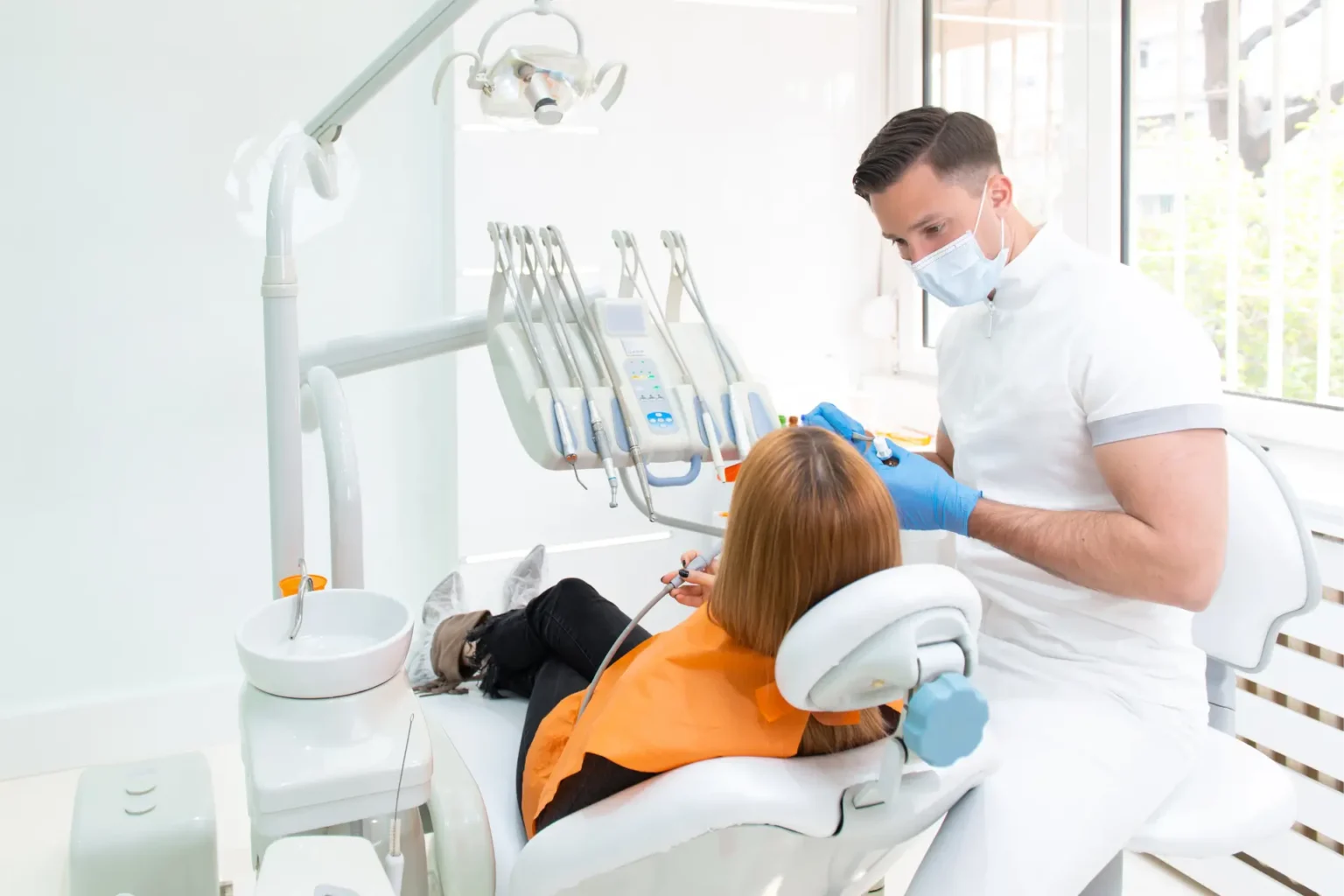
Sudden gum swelling gets attention fast, and for good reason. A sore, puffy area along the gums can start as an annoyance in the morning and become a sharp, throbbing problem by dinner. Sometimes the swelling stays localized near one tooth. Other times it spreads into the cheek, jawline, or under the tongue and makes it hard to eat, talk, or sleep. When that happens, waiting a few days to see whether it settles down is rarely the right call.
Patients often assume swollen gums mean they brushed too hard or have a bit of gingivitis. That does happen. But abrupt swelling, especially when it is painful, one sided, or associated with pressure, bad taste, pus, or fever, raises a different set of concerns. In day to day dental practice, sudden gum swelling often points to infection, trauma, a trapped food particle, an erupting wisdom tooth, or a tooth problem that is now affecting the surrounding tissue. The right response depends on the cause, and timing matters.
If you are looking for an emergency dentist Plano, TX because your gums have become swollen without warning, the immediate goal is simple: determine whether this is an urgent infection, control pain, protect the tooth if possible, and prevent the swelling from spreading.
Why sudden gum swelling deserves prompt attention
Gum tissue does not usually swell dramatically for no reason. Healthy gums are resilient. They can become mildly irritated from aggressive flossing or a hard tortilla chip, but that type of irritation tends to be limited and short lived. The cases that concern dentists most are the ones where swelling is building pressure in the tissues.
An infection in the gums or around a tooth can create a pocket of pus called an abscess. That pressure often causes a deep, pulsating pain that does not respond well to home remedies. Patients may describe it as feeling like something needs to “pop,” or they may notice a small bump on the gum that looks like a pimple. Once the swelling starts to push into the cheek or floor of the mouth, the situation can escalate quickly.
This is where judgment matters. Not every swollen gum is dangerous, but some are. A dentist’s job in an urgent visit is not only to reduce your immediate discomfort, but to sort out which problems can wait a short time and which require same day treatment.
What sudden gum swelling can mean
One of the most common causes is a dental abscess tied to the root of a tooth. This often starts with a cavity, a cracked tooth, or a previous filling that has failed, allowing bacteria to enter the pulp inside the tooth. Once infection reaches the root tip, the surrounding bone and gum tissue may react with swelling and pain. Sometimes the tooth itself becomes sensitive to biting or temperature. In other cases, the tooth seems strangely “high” when you close your mouth.
Another frequent cause is a periodontal abscess. This is an infection in the supporting gum tissues rather than the inside of the tooth. It can happen when a deep gum pocket traps bacteria and debris, or when a piece of food becomes lodged below the gumline. In Plano practices, popcorn hulls and fibrous meat strands are memorable culprits. The patient often points to one sore spot and says the gum suddenly ballooned over a day or two.
Partially erupted wisdom teeth are another classic source of gum swelling. A flap of gum can remain over part of the tooth, creating a space where bacteria collect. This condition, called pericoronitis, can be surprisingly painful. It may cause swelling in the back of the mouth, tenderness when swallowing, jaw stiffness, and a foul taste.
Trauma also belongs on the list. A sharp chip, broken restoration, accidental bite, orthodontic irritation, or vigorous brushing can inflame a specific patch of gum tissue. These cases may look dramatic but are often less dangerous than infections, provided there is no spreading swelling or fever.
Less commonly, sudden swelling is related to a cyst, a foreign body under the gum, medication side effects, or a systemic condition that affects immune response. Those possibilities are harder to identify at home, which is one reason a prompt examination is useful.
Signs that point to a dental emergency
A swollen gum becomes more than an inconvenience when it starts to involve your overall health or your ability to function normally. Dental teams triage these symptoms carefully because they can signal a progressing infection.
- Swelling that spreads into the cheek, jaw, lips, or under the tongue
- Fever, chills, or a general sick feeling along with dental pain
- Trouble swallowing, trouble opening the mouth fully, or any breathing difficulty
- Pus drainage, a foul taste, or a visible gum “pimple” near a painful tooth
- Severe throbbing pain that wakes you up or worsens rapidly over hours
Any breathing difficulty needs immediate medical attention. That is not a wait-and-see situation, and it is not a problem to manage with salt water and pain relievers at home.
How an emergency dental visit usually works
When someone calls an emergency dentist Plano, TX office for gum swelling, the first questions are usually about location, severity, duration, and whether there is fever or facial swelling. If the patient sounds medically unstable or describes airway symptoms, the office should direct them to emergency medical care. If the issue appears dental and urgent, the practice will often try to see the patient the same day.
At the appointment, the exam is focused and practical. The dentist will look at the swollen area, check nearby teeth, assess whether the source seems periodontal or endodontic, and ask about pain triggers, drainage, recent dental work, and medical history. X-rays are often necessary because a lot of the story sits below the gumline. A tooth root infection, a bone defect, or a food impaction can be invisible from the surface.
Patients are sometimes surprised that treatment on an emergency visit may be decisive rather than temporary. If there is an abscess that can be drained safely, drainage may be done right away because releasing pressure often gives the fastest relief. If the problem stems from an infected tooth, the discussion may turn to root canal therapy, extraction, or short term stabilization followed by definitive care. If the source is trapped debris under the gum, cleaning and irrigation may solve most of the problem.
Antibiotics have a role, but they are not a substitute for dental treatment. That point matters. If infection is contained inside a tooth or trapped under gum tissue, antibiotics may reduce spread for a while, but they usually do not remove the source. This is why patients sometimes feel a bit better after urgent care elsewhere, then have swelling return a week later. Without addressing the tooth, pocket, or impacted area that started the problem, the cycle often repeats.
What the dentist is trying to determine
From a clinical standpoint, sudden gum swelling leads to a few key questions. Is this coming from the tooth or the gum? Is there active drainage, or is pressure building in a closed space? Is the infection localized, or does it show signs of spreading into facial tissues? Can the tooth be saved, and if so, what is the quickest path to stabilize it?
These distinctions shape treatment. A root canal may be the best answer for a restorable tooth with a deep infection at the root tip. A periodontal abscess may respond better to debridement, drainage, and follow-up gum care. A wisdom tooth with recurrent gum swelling may need cleaning in the short term and extraction planning after the inflammation settles. A fractured tooth with swelling may not be salvageable and may need removal to stop the infection.
In practice, there is often a trade-off between immediate relief and Emergency dentist Plano, TX vitalitydentaldfw.com long term planning. A patient in severe pain may need pressure relieved that day, even if the final restoration or extraction happens later. The emergency visit is about getting control of the situation first.
What you can do before you are seen
Home care is not treatment, but it can make the hours before your appointment more manageable. The goal is to avoid making the area worse while reducing irritation and swelling as much as possible.
- Rinse gently with warm salt water a few times during the day
- Take over the counter pain medicine only as directed on the label, if it is safe for you medically
- Use a cold compress on the outside of the face for short intervals if the cheek is swollen
- Keep the area clean, but do not jab at it with floss picks, pins, or sharp tools
- Avoid very hot foods, alcohol, and smoking until you are evaluated
A quick practical note from experience: many people start pressing on the swollen spot because they want to “get the infection out.” That usually increases pain and can push bacteria into irritated tissue. If there is spontaneous drainage, let it drain and rinse gently. Do not squeeze the gum.
Why pain level alone can be misleading
One of the stranger patterns in dental emergencies is that the most dangerous swelling is not always the most painful. A patient with intense pain often seeks care quickly. A patient with moderate pain but obvious facial swelling may downplay the issue and delay. That is backwards from a risk standpoint.
When pressure from an abscess starts to find a pathway through tissue, pain can sometimes decrease even as the infection spreads. Patients may say, “It actually hurts less today, but my cheek looks bigger.” That is not reassuring. Visible expansion outside the gumline is a stronger reason to seek urgent care than pain score alone.
The opposite can happen too. A tiny foreign body under the gum can cause sharp, focused pain with minimal danger once it is removed. This is why an exam matters more than guesswork.
Common scenarios dentists see in Plano
A familiar case is the patient who had mild cold sensitivity in a back tooth for months, then wakes up with swelling over that same area. The tooth likely had a deep problem brewing long before the gum changed. The sudden swelling is not a new event so much as the moment the infection pushed beyond the tooth and into surrounding tissue.
Another common scenario involves flossing after a steak dinner, feeling something stuck, then finding the gum swollen and tender by the next day. If a fragment is trapped below the gumline, the body reacts fast. These cases can often improve dramatically once the area is cleaned and irrigated.
Wisdom tooth related swelling is frequent among younger adults, especially during stressful weeks when sleep is short and oral hygiene slips. The back gum becomes red, puffy, and painful to touch, and the patient may notice difficulty chewing on that side. Sometimes the tooth is positioned in a way that almost guarantees repeated episodes. Temporary relief is possible, but recurring inflammation usually means it is time for a more permanent plan.
There are also post treatment cases. A recent filling that changed the bite slightly can lead to trauma and inflammation in a vulnerable tooth. A crown margin that traps debris can aggravate the gum around it. A temporary restoration that loosened over a weekend can expose a tooth and start a cascade of symptoms. Not every emergency starts with neglect. Sometimes it starts with a small issue that snowballs quickly.
What treatment might involve
For a true abscess, treatment often centers on drainage and source control. Drainage may occur through the gum if swelling is localized and accessible, or through the tooth if root canal therapy is initiated. If the source is a dead or infected nerve inside a tooth and the tooth is restorable, root canal treatment may remove the infected tissue and preserve the tooth structure. If the tooth is badly fractured or decayed below a savable level, extraction may be the more predictable choice.
When the problem is periodontal, treatment may involve cleaning under the gumline, flushing the infected pocket, smoothing root surfaces if needed, and closely monitoring how the tissue responds. Follow-up matters because gums can improve quickly on the surface while deeper issues persist.
For wisdom tooth swelling, emergency care may include irrigation under the gum flap, anti inflammatory measures, and sometimes antibiotics if there are signs of infection spread. But if the anatomy keeps trapping debris, definitive removal is often the only way to prevent repeated episodes.
Every option has trade-offs. Saving a tooth is generally preferable when the prognosis is good, but not every tooth has a good prognosis. Removing a problematic tooth may solve the infection fastest, but replacement planning then becomes part of the conversation. Good emergency care includes honesty about those realities.
Cost questions patients often have
People commonly ask whether they are committing to a full treatment plan by scheduling an emergency visit. Usually, no. An urgent appointment is typically designed to evaluate the problem, take any needed X-rays, diagnose the source, and provide immediate care to stabilize it. The final cost depends on what is found and what treatment is done that day.
If the issue is a simple gum irritation from trapped debris, the visit may stay relatively limited. If it involves drainage, a root canal start, or extraction, costs are naturally higher. Insurance can change out of pocket estimates, but coverage varies widely. The practical advice is to ask the office what the emergency exam includes and whether they can discuss likely treatment ranges once the dentist identifies the cause. That is a reasonable and common question.
When swelling is not from infection
Not every swollen gum points to bacteria. Hormonal shifts, medication related overgrowth, aphthous ulcers nearby, allergic reactions, and direct physical injury can all make tissue look enlarged or inflamed. The difference is that these causes often lack the classic pressure, pus, and localized deep tenderness seen in abscesses.
Still, visual appearances overlap. A patient may swear a spot is “definitely infected” because it is swollen and sore, only to learn a sesame seed husk is embedded in the gum. Another may think the area is merely irritated and discover a serious root infection under a heavily filled tooth. Home diagnosis is weak on its best day. That is why sudden gum swelling deserves a professional look, especially when it is one sided, painful, or paired with facial changes.
Why delaying care can cost more than the visit
Small dental infections have a habit of becoming bigger dental infections at inconvenient times. Friday evening, before travel, during a holiday, halfway through a work presentation. Beyond the timing problem, delay often narrows your treatment options. A tooth that might have been saved earlier can become nonrestorable later. Swelling that was confined to the gum can spread into the face. A straightforward cleaning and drainage can turn into extraction plus replacement planning.
There is also the quality of life issue. People sleep poorly when gum swelling intensifies. They chew on one side, skip meals, become short tempered, and start cycling through pain medications. Even when the problem is not dangerous, the disruption is real. Prompt care usually shortens that cycle considerably.
Choosing the right emergency dentist in Plano, TX
For sudden gum swelling, convenience matters, but capability matters more. You want an office that can triage urgency properly, take diagnostic X-rays on site, and provide same day intervention when appropriate. Clear communication also matters. When people are in pain, they need direct answers: what is happening, what needs to happen today, and what can wait.
An experienced emergency dentist Plano, TX patients trust will not overpromise. Some swelling resolves quickly after treatment. Some takes a few days to settle even after the source is addressed. Some teeth can be saved. Some cannot. Honest timelines and realistic next steps are a mark of good care.
Aftercare and what recovery feels like
Once the source of the swelling is treated, most patients notice the pressure improves first. That is often the biggest relief. The tissue itself may still look puffy for a day or two, and tenderness can linger while inflammation subsides. If drainage was performed, the area may feel bruised but less tense. If a tooth was treated or removed, the recovery pattern follows that procedure as much as the original swelling.
The most important thing after emergency care is follow through. If you were given antibiotics, take them exactly as directed. If you were told you still need a root canal, crown, extraction follow-up, or periodontal treatment, do not treat the first visit as the finish line. Emergency visits control the flare. Definitive care prevents the next one.
Sudden gum swelling has a way of making everything else stop. It interferes with work, sleep, eating, and concentration. More importantly, it can be the visible tip of a deeper infection that needs prompt treatment. If the swelling is new, painful, spreading, or paired with a bad taste, fever, or facial fullness, getting evaluated quickly is the prudent move. The sooner a dentist identifies the cause, the better the odds of fast relief and a simpler repair.
Vitality Dental
1220 Coit Rd # 106, Plano, TX 75075, United States
+1 972-645-4100
FAQ About Emergency dentist Plano, TX
Will the ER do anything for dental pain?
An emergency department can assess urgent symptoms and provide medical stabilization. Definitive treatment of the tooth usually requires a dentist. Seek emergency medical care for breathing or swallowing difficulty, uncontrolled bleeding, or serious facial injury.
What to do if I have a dental emergency in the middle of the night?
Contact a dentist or after-hours dental service promptly for guidance. If a permanent tooth is knocked out, keep it moist in milk while seeking immediate care. If symptoms suggest a medical emergency, go to an emergency department.
What qualifies as a dental emergency?
A knocked-out permanent tooth, severe or persistent tooth pain, a significant dental injury, or swelling may require urgent dental assessment. Call a dentist to describe the symptoms and determine timing. Uncontrolled bleeding or difficulty breathing or swallowing requires emergency medical care.